- THE SOCIETY Newsletter
- Posts
- The SOCIETY Newsletter #106

The Luncheon That Gave Golf Its Spine
January 1916 — New York City
On a cold January afternoon in 1916, a small group of golf professionals and prominent amateurs gathered not on a fairway, but around white tablecloths in the ninth-floor restaurant of the Wanamaker Store in New York City.
There were no trophies.
No galleries.
No headlines waiting to be written.
Yet this luncheon would quietly alter the course of American golf forever.
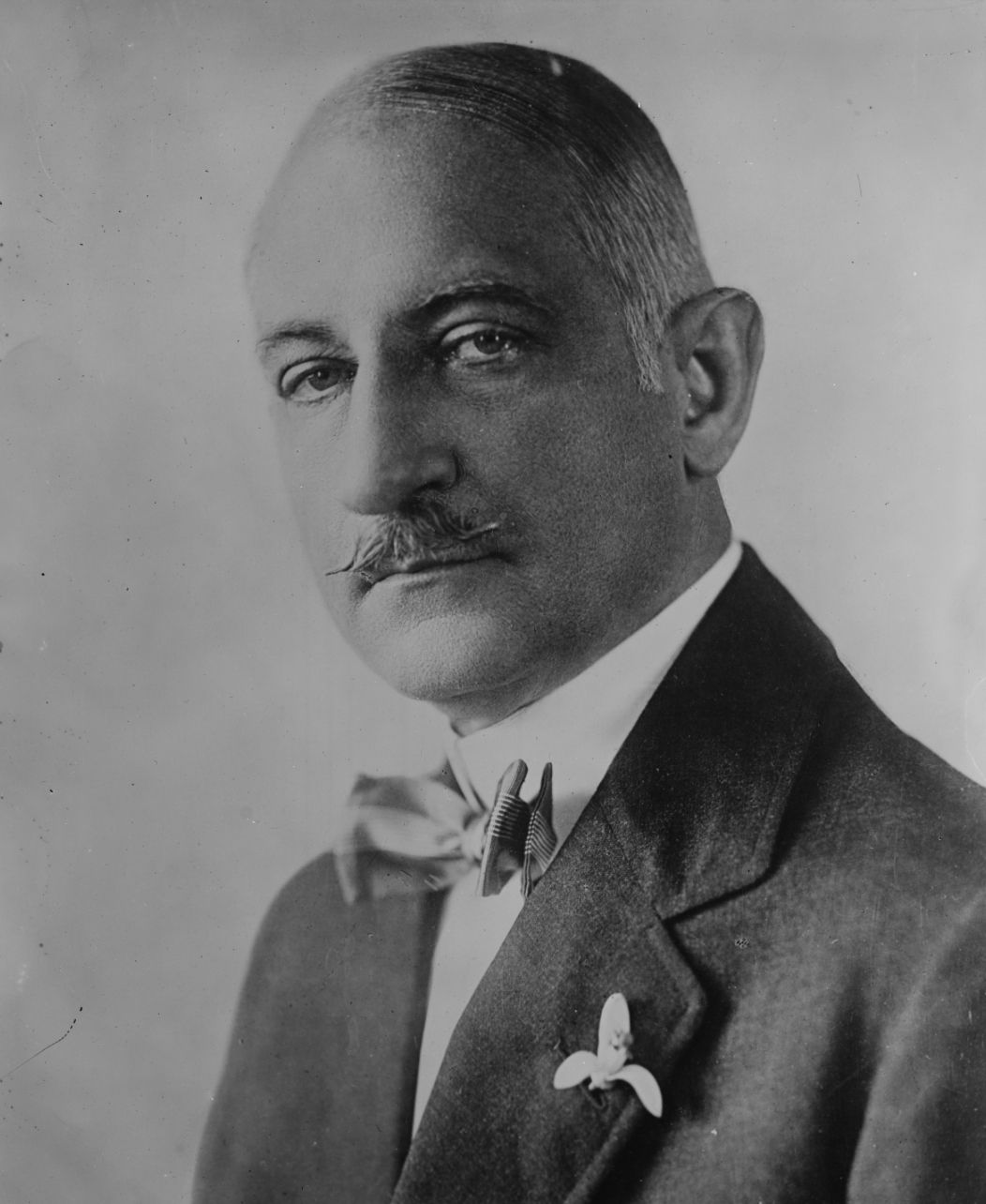
The Man Who Invented the PGA
The host was Rodman Wanamaker, a retail magnate with a genuine belief that golf professionals deserved something they had long been denied: legitimacy.
Professionals Without a Profession
At the dawn of the 20th century, golf professionals occupied an uncomfortable place in the game they helped build. They taught lessons, repaired clubs, laid out courses, enforced rules, and—on occasion—won tournaments. Yet they were rarely granted the respect afforded to amateur gentlemen.
Many entered clubs through side doors.
Few were allowed in dining rooms.
Almost none had job security.
Prize money was erratic. Employment precarious. And there was no unified body to protect or promote the professional golfer.
Wanamaker saw this imbalance clearly. Influenced by European models and motivated by a sense of fairness—and opportunity—he believed American professionals needed an organization of their own.
So he invited them to lunch.
The Meeting Above Broadway

Wanamaker Department Store
That January gathering included many of the game’s leading professionals from the New York area, joined by several influential amateurs. Over the course of the meal, Wanamaker proposed something radical for American golf:
A national association, run by professionals, for professionals.
By the end of the discussion, the framework for what would become the PGA of America was in place.

AI Generated Photo of Wanamaker
Later that year, Wanamaker would donate a trophy—now one of the most iconic in sport—to serve as the prize for a new championship. The PGA Championship was born. So too was the idea that professional golfers were not merely club employees, but athletes worthy of recognition, organization, and voice.
From Association to Tour
For decades, the PGA of America governed both club professionals and tournament players under the same umbrella. But as tournament golf grew—fueled by stars, spectators, radio, and eventually television—the needs of touring professionals began to diverge.
In 1968 that tension led to a structural split.
Tournament players formed what we now know as the PGA Tour, while the PGA of America continued its mission of serving club professionals and growing the game.
Two organizations.
One shared origin.
Both trace their lineage back to a single lunch table in New York City.
Why This Still Matters
It’s tempting to view modern professional golf through the lens of television contracts, signature events, and global tours. But the game’s professional foundation was not built on excess—it was built on dignity.
The luncheon of 1916 was not about money.
It was about respect.
About structure.
About giving professionals a collective identity.
In an era when golf once again finds itself at a crossroads, it’s worth remembering that the game’s most important revolutions have often begun quietly—over conversation, conviction, and a shared belief that golf could be better than it was.
History doesn’t always announce itself with a roar.
Sometimes, it starts with lunch.
A SPECIAL THANKS TO THOSE WHO JOINED US FOR OUR FIRST ANNUAL SOCIETY OF GOLF HISTORIANS MEETING

A view of Belleair West
Yesterday about 50 of you joined me at Belleair Country Club to celebrate golf history and play a round on Florida’s Oldest Golf Course. I sincerely hope that you enjoyed playing Belleair and enjoyed listening to Stephen Proctor, John Morton and Bruce Clark of the Saint Andrew’s Golf Club.
We are working on a second outing this Summer in the Midwest. Stay tuned for more info.